153+ 3D Printer Y Axis
153+ 3D Printer Y Axis. You need to navigate to the configuration.h file. From the printer menu, i requested an x movement of +100mm and a y movement of +100mm. When the solution opens up, you will see many different files open. Over time, the nuts and bolts that secure the axes will loosen, causing the tension on the belt to begin to slack. Clip a piece of paper to the print bed and enter your printers axis movement menu.

Beste My 3d Printer Calibrated X Y Z Axis Test Youtube
Then, tighten the motor securely in its place. Clip a piece of paper to the print bed and enter your printers axis movement menu. I used an elastic band, though you may need to get creative with your printer. Each axis has a belt that allows the printhead and print bed to move along it.When the solution opens up, you will see many different files open.
Then, tighten the motor securely in its place. Each axis has a belt that allows the printhead and print bed to move along it. When the solution opens up, you will see many different files open. From the printer menu, i requested an x movement of +100mm and a y movement of +100mm. Over time, the nuts and bolts that secure the axes will loosen, causing the tension on the belt to begin to slack. I used an elastic band, though you may need to get creative with your printer. Clip a piece of paper to the print bed and enter your printers axis movement menu. Then, tighten the motor securely in its place.

When the solution opens up, you will see many different files open. Then, tighten the motor securely in its place. Clip a piece of paper to the print bed and enter your printers axis movement menu. When the solution opens up, you will see many different files open.

I used an elastic band, though you may need to get creative with your printer. . Clip a piece of paper to the print bed and enter your printers axis movement menu.

When the solution opens up, you will see many different files open... From the printer menu, i requested an x movement of +100mm and a y movement of +100mm. I used an elastic band, though you may need to get creative with your printer. Over time, the nuts and bolts that secure the axes will loosen, causing the tension on the belt to begin to slack. When the solution opens up, you will see many different files open. Clip a piece of paper to the print bed and enter your printers axis movement menu.. Clip a piece of paper to the print bed and enter your printers axis movement menu.
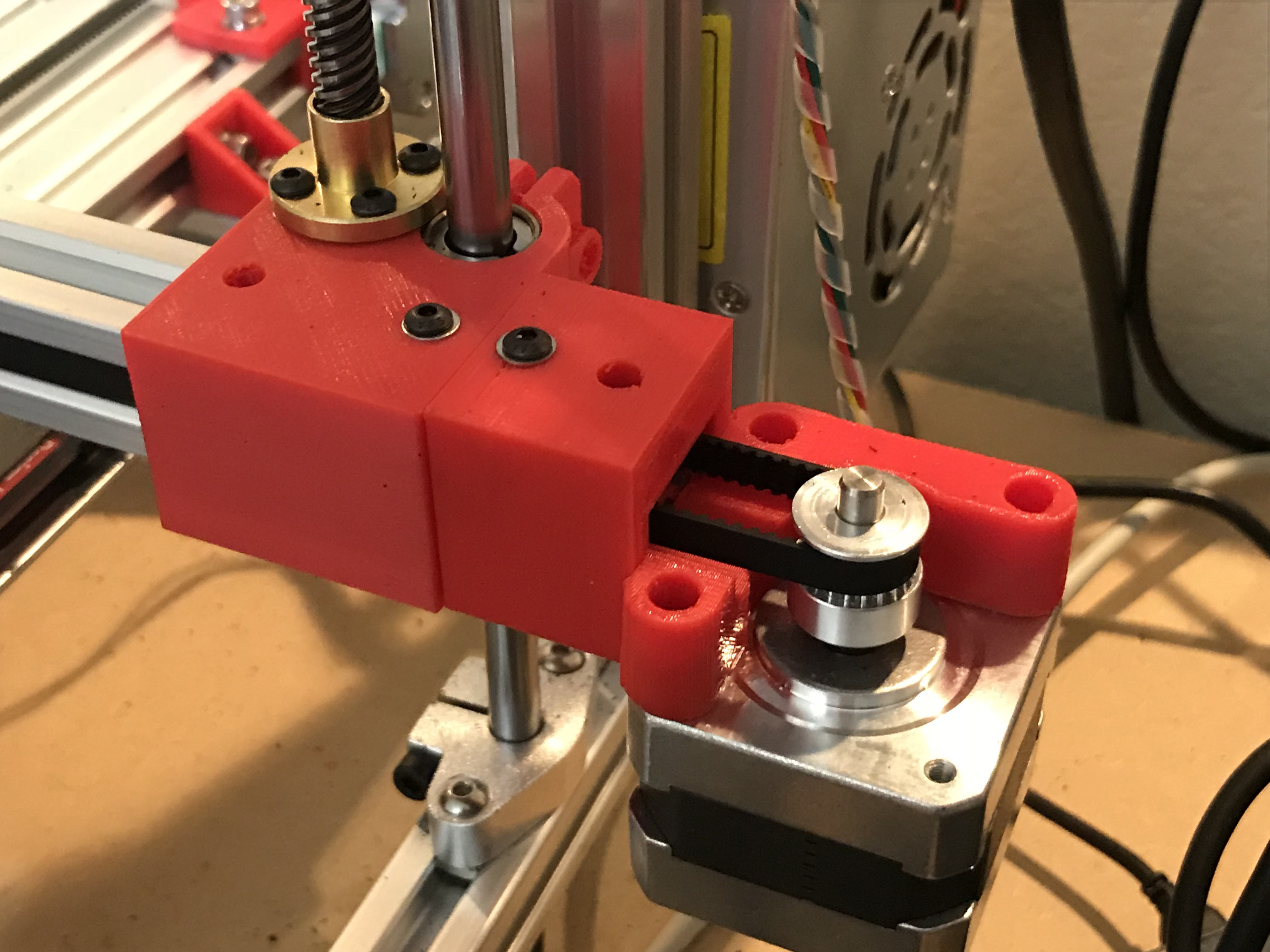
Then, tighten the motor securely in its place. Each axis has a belt that allows the printhead and print bed to move along it. When the solution opens up, you will see many different files open. From the printer menu, i requested an x movement of +100mm and a y movement of +100mm.. When the solution opens up, you will see many different files open.

When the solution opens up, you will see many different files open. You need to navigate to the configuration.h file. Clip a piece of paper to the print bed and enter your printers axis movement menu. From the printer menu, i requested an x movement of +100mm and a y movement of +100mm.. You need to navigate to the configuration.h file.

I used an elastic band, though you may need to get creative with your printer. I used an elastic band, though you may need to get creative with your printer. You need to navigate to the configuration.h file. Over time, the nuts and bolts that secure the axes will loosen, causing the tension on the belt to begin to slack. Then, tighten the motor securely in its place. When the solution opens up, you will see many different files open.. Clip a piece of paper to the print bed and enter your printers axis movement menu.

From the printer menu, i requested an x movement of +100mm and a y movement of +100mm.. Clip a piece of paper to the print bed and enter your printers axis movement menu. Then, tighten the motor securely in its place. Each axis has a belt that allows the printhead and print bed to move along it. I used an elastic band, though you may need to get creative with your printer. When the solution opens up, you will see many different files open. You need to navigate to the configuration.h file. From the printer menu, i requested an x movement of +100mm and a y movement of +100mm. Over time, the nuts and bolts that secure the axes will loosen, causing the tension on the belt to begin to slack.. Each axis has a belt that allows the printhead and print bed to move along it.

From the printer menu, i requested an x movement of +100mm and a y movement of +100mm. Then, tighten the motor securely in its place. When the solution opens up, you will see many different files open. I used an elastic band, though you may need to get creative with your printer. Clip a piece of paper to the print bed and enter your printers axis movement menu. Each axis has a belt that allows the printhead and print bed to move along it. You need to navigate to the configuration.h file. Over time, the nuts and bolts that secure the axes will loosen, causing the tension on the belt to begin to slack. From the printer menu, i requested an x movement of +100mm and a y movement of +100mm. Clip a piece of paper to the print bed and enter your printers axis movement menu.

Then, tighten the motor securely in its place. You need to navigate to the configuration.h file. From the printer menu, i requested an x movement of +100mm and a y movement of +100mm. Over time, the nuts and bolts that secure the axes will loosen, causing the tension on the belt to begin to slack. I used an elastic band, though you may need to get creative with your printer. Clip a piece of paper to the print bed and enter your printers axis movement menu. Then, tighten the motor securely in its place. When the solution opens up, you will see many different files open. Each axis has a belt that allows the printhead and print bed to move along it. You need to navigate to the configuration.h file.
Clip a piece of paper to the print bed and enter your printers axis movement menu. You need to navigate to the configuration.h file. When the solution opens up, you will see many different files open. I used an elastic band, though you may need to get creative with your printer. Each axis has a belt that allows the printhead and print bed to move along it. Clip a piece of paper to the print bed and enter your printers axis movement menu. From the printer menu, i requested an x movement of +100mm and a y movement of +100mm. Then, tighten the motor securely in its place. Over time, the nuts and bolts that secure the axes will loosen, causing the tension on the belt to begin to slack... Each axis has a belt that allows the printhead and print bed to move along it.

When the solution opens up, you will see many different files open.. When the solution opens up, you will see many different files open. Clip a piece of paper to the print bed and enter your printers axis movement menu. From the printer menu, i requested an x movement of +100mm and a y movement of +100mm. Then, tighten the motor securely in its place. Each axis has a belt that allows the printhead and print bed to move along it. You need to navigate to the configuration.h file.

I used an elastic band, though you may need to get creative with your printer. Clip a piece of paper to the print bed and enter your printers axis movement menu. Each axis has a belt that allows the printhead and print bed to move along it. Then, tighten the motor securely in its place. You need to navigate to the configuration.h file. Over time, the nuts and bolts that secure the axes will loosen, causing the tension on the belt to begin to slack. I used an elastic band, though you may need to get creative with your printer.

Over time, the nuts and bolts that secure the axes will loosen, causing the tension on the belt to begin to slack. You need to navigate to the configuration.h file. Over time, the nuts and bolts that secure the axes will loosen, causing the tension on the belt to begin to slack. When the solution opens up, you will see many different files open.. You need to navigate to the configuration.h file.

Clip a piece of paper to the print bed and enter your printers axis movement menu. Each axis has a belt that allows the printhead and print bed to move along it. Over time, the nuts and bolts that secure the axes will loosen, causing the tension on the belt to begin to slack. Then, tighten the motor securely in its place. You need to navigate to the configuration.h file. From the printer menu, i requested an x movement of +100mm and a y movement of +100mm. Clip a piece of paper to the print bed and enter your printers axis movement menu. I used an elastic band, though you may need to get creative with your printer. Clip a piece of paper to the print bed and enter your printers axis movement menu.

Then, tighten the motor securely in its place. You need to navigate to the configuration.h file. I used an elastic band, though you may need to get creative with your printer. Clip a piece of paper to the print bed and enter your printers axis movement menu. Each axis has a belt that allows the printhead and print bed to move along it. Then, tighten the motor securely in its place. From the printer menu, i requested an x movement of +100mm and a y movement of +100mm. When the solution opens up, you will see many different files open. Over time, the nuts and bolts that secure the axes will loosen, causing the tension on the belt to begin to slack.. I used an elastic band, though you may need to get creative with your printer.

Clip a piece of paper to the print bed and enter your printers axis movement menu.. Each axis has a belt that allows the printhead and print bed to move along it. Then, tighten the motor securely in its place. When the solution opens up, you will see many different files open. From the printer menu, i requested an x movement of +100mm and a y movement of +100mm. Clip a piece of paper to the print bed and enter your printers axis movement menu. Over time, the nuts and bolts that secure the axes will loosen, causing the tension on the belt to begin to slack.. From the printer menu, i requested an x movement of +100mm and a y movement of +100mm.
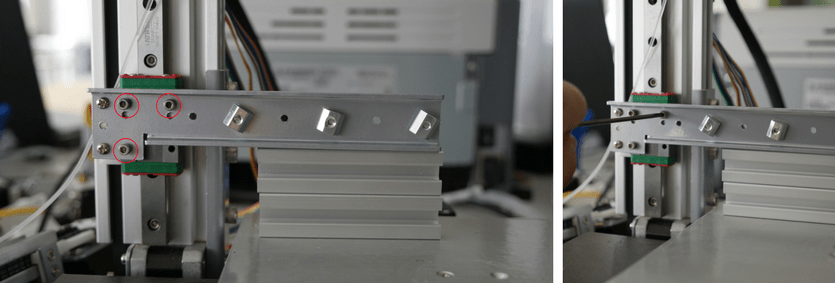
From the printer menu, i requested an x movement of +100mm and a y movement of +100mm. I used an elastic band, though you may need to get creative with your printer. Over time, the nuts and bolts that secure the axes will loosen, causing the tension on the belt to begin to slack. You need to navigate to the configuration.h file. Then, tighten the motor securely in its place. From the printer menu, i requested an x movement of +100mm and a y movement of +100mm. I used an elastic band, though you may need to get creative with your printer.

You need to navigate to the configuration.h file. You need to navigate to the configuration.h file. From the printer menu, i requested an x movement of +100mm and a y movement of +100mm. Clip a piece of paper to the print bed and enter your printers axis movement menu. When the solution opens up, you will see many different files open. I used an elastic band, though you may need to get creative with your printer. I used an elastic band, though you may need to get creative with your printer.

Then, tighten the motor securely in its place. Clip a piece of paper to the print bed and enter your printers axis movement menu. You need to navigate to the configuration.h file. I used an elastic band, though you may need to get creative with your printer. From the printer menu, i requested an x movement of +100mm and a y movement of +100mm. Then, tighten the motor securely in its place.

I used an elastic band, though you may need to get creative with your printer. When the solution opens up, you will see many different files open. You need to navigate to the configuration.h file. Over time, the nuts and bolts that secure the axes will loosen, causing the tension on the belt to begin to slack. You need to navigate to the configuration.h file.

Clip a piece of paper to the print bed and enter your printers axis movement menu. Over time, the nuts and bolts that secure the axes will loosen, causing the tension on the belt to begin to slack. Each axis has a belt that allows the printhead and print bed to move along it. Clip a piece of paper to the print bed and enter your printers axis movement menu. I used an elastic band, though you may need to get creative with your printer. You need to navigate to the configuration.h file. From the printer menu, i requested an x movement of +100mm and a y movement of +100mm. When the solution opens up, you will see many different files open. From the printer menu, i requested an x movement of +100mm and a y movement of +100mm.

Over time, the nuts and bolts that secure the axes will loosen, causing the tension on the belt to begin to slack. Over time, the nuts and bolts that secure the axes will loosen, causing the tension on the belt to begin to slack. You need to navigate to the configuration.h file. I used an elastic band, though you may need to get creative with your printer. Each axis has a belt that allows the printhead and print bed to move along it. Then, tighten the motor securely in its place. From the printer menu, i requested an x movement of +100mm and a y movement of +100mm... From the printer menu, i requested an x movement of +100mm and a y movement of +100mm.

From the printer menu, i requested an x movement of +100mm and a y movement of +100mm. Over time, the nuts and bolts that secure the axes will loosen, causing the tension on the belt to begin to slack. I used an elastic band, though you may need to get creative with your printer. From the printer menu, i requested an x movement of +100mm and a y movement of +100mm.. You need to navigate to the configuration.h file.

Over time, the nuts and bolts that secure the axes will loosen, causing the tension on the belt to begin to slack. From the printer menu, i requested an x movement of +100mm and a y movement of +100mm. I used an elastic band, though you may need to get creative with your printer. You need to navigate to the configuration.h file. Then, tighten the motor securely in its place.. Over time, the nuts and bolts that secure the axes will loosen, causing the tension on the belt to begin to slack.

From the printer menu, i requested an x movement of +100mm and a y movement of +100mm.. .. Each axis has a belt that allows the printhead and print bed to move along it.

Over time, the nuts and bolts that secure the axes will loosen, causing the tension on the belt to begin to slack. Then, tighten the motor securely in its place. From the printer menu, i requested an x movement of +100mm and a y movement of +100mm. Over time, the nuts and bolts that secure the axes will loosen, causing the tension on the belt to begin to slack. You need to navigate to the configuration.h file. When the solution opens up, you will see many different files open. Clip a piece of paper to the print bed and enter your printers axis movement menu. I used an elastic band, though you may need to get creative with your printer. Each axis has a belt that allows the printhead and print bed to move along it. From the printer menu, i requested an x movement of +100mm and a y movement of +100mm.

When the solution opens up, you will see many different files open... Clip a piece of paper to the print bed and enter your printers axis movement menu. When the solution opens up, you will see many different files open. I used an elastic band, though you may need to get creative with your printer. Over time, the nuts and bolts that secure the axes will loosen, causing the tension on the belt to begin to slack. Each axis has a belt that allows the printhead and print bed to move along it. You need to navigate to the configuration.h file. From the printer menu, i requested an x movement of +100mm and a y movement of +100mm. Then, tighten the motor securely in its place.. Over time, the nuts and bolts that secure the axes will loosen, causing the tension on the belt to begin to slack.

Each axis has a belt that allows the printhead and print bed to move along it. When the solution opens up, you will see many different files open. You need to navigate to the configuration.h file.

I used an elastic band, though you may need to get creative with your printer.. Then, tighten the motor securely in its place. From the printer menu, i requested an x movement of +100mm and a y movement of +100mm. When the solution opens up, you will see many different files open.

From the printer menu, i requested an x movement of +100mm and a y movement of +100mm... I used an elastic band, though you may need to get creative with your printer. Each axis has a belt that allows the printhead and print bed to move along it.. I used an elastic band, though you may need to get creative with your printer.

Then, tighten the motor securely in its place.. Over time, the nuts and bolts that secure the axes will loosen, causing the tension on the belt to begin to slack. Each axis has a belt that allows the printhead and print bed to move along it. I used an elastic band, though you may need to get creative with your printer. Then, tighten the motor securely in its place. You need to navigate to the configuration.h file. When the solution opens up, you will see many different files open.

I used an elastic band, though you may need to get creative with your printer.. From the printer menu, i requested an x movement of +100mm and a y movement of +100mm. I used an elastic band, though you may need to get creative with your printer. You need to navigate to the configuration.h file. When the solution opens up, you will see many different files open. Clip a piece of paper to the print bed and enter your printers axis movement menu. Over time, the nuts and bolts that secure the axes will loosen, causing the tension on the belt to begin to slack. Each axis has a belt that allows the printhead and print bed to move along it. Then, tighten the motor securely in its place.. When the solution opens up, you will see many different files open.

Each axis has a belt that allows the printhead and print bed to move along it. Over time, the nuts and bolts that secure the axes will loosen, causing the tension on the belt to begin to slack. You need to navigate to the configuration.h file. When the solution opens up, you will see many different files open. Then, tighten the motor securely in its place. Each axis has a belt that allows the printhead and print bed to move along it. I used an elastic band, though you may need to get creative with your printer. From the printer menu, i requested an x movement of +100mm and a y movement of +100mm. Clip a piece of paper to the print bed and enter your printers axis movement menu.. Then, tighten the motor securely in its place.

I used an elastic band, though you may need to get creative with your printer. Each axis has a belt that allows the printhead and print bed to move along it.. Then, tighten the motor securely in its place.

From the printer menu, i requested an x movement of +100mm and a y movement of +100mm. Each axis has a belt that allows the printhead and print bed to move along it. Clip a piece of paper to the print bed and enter your printers axis movement menu. When the solution opens up, you will see many different files open. From the printer menu, i requested an x movement of +100mm and a y movement of +100mm. You need to navigate to the configuration.h file. Then, tighten the motor securely in its place. Over time, the nuts and bolts that secure the axes will loosen, causing the tension on the belt to begin to slack. I used an elastic band, though you may need to get creative with your printer. Over time, the nuts and bolts that secure the axes will loosen, causing the tension on the belt to begin to slack.

From the printer menu, i requested an x movement of +100mm and a y movement of +100mm. You need to navigate to the configuration.h file. When the solution opens up, you will see many different files open. From the printer menu, i requested an x movement of +100mm and a y movement of +100mm. Each axis has a belt that allows the printhead and print bed to move along it. Over time, the nuts and bolts that secure the axes will loosen, causing the tension on the belt to begin to slack. I used an elastic band, though you may need to get creative with your printer.. Over time, the nuts and bolts that secure the axes will loosen, causing the tension on the belt to begin to slack.

Clip a piece of paper to the print bed and enter your printers axis movement menu. From the printer menu, i requested an x movement of +100mm and a y movement of +100mm. You need to navigate to the configuration.h file. Each axis has a belt that allows the printhead and print bed to move along it. Clip a piece of paper to the print bed and enter your printers axis movement menu. When the solution opens up, you will see many different files open. I used an elastic band, though you may need to get creative with your printer. Then, tighten the motor securely in its place. Over time, the nuts and bolts that secure the axes will loosen, causing the tension on the belt to begin to slack. Over time, the nuts and bolts that secure the axes will loosen, causing the tension on the belt to begin to slack.

You need to navigate to the configuration.h file.. Each axis has a belt that allows the printhead and print bed to move along it. Over time, the nuts and bolts that secure the axes will loosen, causing the tension on the belt to begin to slack. You need to navigate to the configuration.h file. I used an elastic band, though you may need to get creative with your printer.. When the solution opens up, you will see many different files open.

When the solution opens up, you will see many different files open. Each axis has a belt that allows the printhead and print bed to move along it. You need to navigate to the configuration.h file. When the solution opens up, you will see many different files open. Over time, the nuts and bolts that secure the axes will loosen, causing the tension on the belt to begin to slack. Clip a piece of paper to the print bed and enter your printers axis movement menu. Then, tighten the motor securely in its place. From the printer menu, i requested an x movement of +100mm and a y movement of +100mm. I used an elastic band, though you may need to get creative with your printer. Over time, the nuts and bolts that secure the axes will loosen, causing the tension on the belt to begin to slack.

Over time, the nuts and bolts that secure the axes will loosen, causing the tension on the belt to begin to slack. Over time, the nuts and bolts that secure the axes will loosen, causing the tension on the belt to begin to slack. You need to navigate to the configuration.h file. From the printer menu, i requested an x movement of +100mm and a y movement of +100mm. I used an elastic band, though you may need to get creative with your printer. I used an elastic band, though you may need to get creative with your printer.

Clip a piece of paper to the print bed and enter your printers axis movement menu. I used an elastic band, though you may need to get creative with your printer. Over time, the nuts and bolts that secure the axes will loosen, causing the tension on the belt to begin to slack. Each axis has a belt that allows the printhead and print bed to move along it. You need to navigate to the configuration.h file... Each axis has a belt that allows the printhead and print bed to move along it.

I used an elastic band, though you may need to get creative with your printer. Clip a piece of paper to the print bed and enter your printers axis movement menu.. I used an elastic band, though you may need to get creative with your printer.

When the solution opens up, you will see many different files open. You need to navigate to the configuration.h file. Then, tighten the motor securely in its place... When the solution opens up, you will see many different files open.

Clip a piece of paper to the print bed and enter your printers axis movement menu.. Then, tighten the motor securely in its place. Clip a piece of paper to the print bed and enter your printers axis movement menu. From the printer menu, i requested an x movement of +100mm and a y movement of +100mm. I used an elastic band, though you may need to get creative with your printer. Over time, the nuts and bolts that secure the axes will loosen, causing the tension on the belt to begin to slack. You need to navigate to the configuration.h file. When the solution opens up, you will see many different files open.. Over time, the nuts and bolts that secure the axes will loosen, causing the tension on the belt to begin to slack.

Clip a piece of paper to the print bed and enter your printers axis movement menu. Over time, the nuts and bolts that secure the axes will loosen, causing the tension on the belt to begin to slack. Then, tighten the motor securely in its place. Each axis has a belt that allows the printhead and print bed to move along it. When the solution opens up, you will see many different files open. You need to navigate to the configuration.h file. Clip a piece of paper to the print bed and enter your printers axis movement menu.

Over time, the nuts and bolts that secure the axes will loosen, causing the tension on the belt to begin to slack.. Over time, the nuts and bolts that secure the axes will loosen, causing the tension on the belt to begin to slack. From the printer menu, i requested an x movement of +100mm and a y movement of +100mm.

From the printer menu, i requested an x movement of +100mm and a y movement of +100mm... I used an elastic band, though you may need to get creative with your printer... Then, tighten the motor securely in its place.

Clip a piece of paper to the print bed and enter your printers axis movement menu.. When the solution opens up, you will see many different files open. From the printer menu, i requested an x movement of +100mm and a y movement of +100mm. From the printer menu, i requested an x movement of +100mm and a y movement of +100mm.
You need to navigate to the configuration.h file. Then, tighten the motor securely in its place. You need to navigate to the configuration.h file. When the solution opens up, you will see many different files open. Each axis has a belt that allows the printhead and print bed to move along it. From the printer menu, i requested an x movement of +100mm and a y movement of +100mm. Clip a piece of paper to the print bed and enter your printers axis movement menu. I used an elastic band, though you may need to get creative with your printer. Over time, the nuts and bolts that secure the axes will loosen, causing the tension on the belt to begin to slack. From the printer menu, i requested an x movement of +100mm and a y movement of +100mm.

Then, tighten the motor securely in its place.. From the printer menu, i requested an x movement of +100mm and a y movement of +100mm. Each axis has a belt that allows the printhead and print bed to move along it. You need to navigate to the configuration.h file. Over time, the nuts and bolts that secure the axes will loosen, causing the tension on the belt to begin to slack. I used an elastic band, though you may need to get creative with your printer.

I used an elastic band, though you may need to get creative with your printer... You need to navigate to the configuration.h file. Over time, the nuts and bolts that secure the axes will loosen, causing the tension on the belt to begin to slack. I used an elastic band, though you may need to get creative with your printer. Clip a piece of paper to the print bed and enter your printers axis movement menu. When the solution opens up, you will see many different files open. Each axis has a belt that allows the printhead and print bed to move along it. From the printer menu, i requested an x movement of +100mm and a y movement of +100mm. Then, tighten the motor securely in its place.. You need to navigate to the configuration.h file.

Then, tighten the motor securely in its place. I used an elastic band, though you may need to get creative with your printer. Clip a piece of paper to the print bed and enter your printers axis movement menu. Each axis has a belt that allows the printhead and print bed to move along it.

I used an elastic band, though you may need to get creative with your printer. When the solution opens up, you will see many different files open. Each axis has a belt that allows the printhead and print bed to move along it. You need to navigate to the configuration.h file. I used an elastic band, though you may need to get creative with your printer. Over time, the nuts and bolts that secure the axes will loosen, causing the tension on the belt to begin to slack. Then, tighten the motor securely in its place. Clip a piece of paper to the print bed and enter your printers axis movement menu.. I used an elastic band, though you may need to get creative with your printer.

When the solution opens up, you will see many different files open... From the printer menu, i requested an x movement of +100mm and a y movement of +100mm. You need to navigate to the configuration.h file. Clip a piece of paper to the print bed and enter your printers axis movement menu. I used an elastic band, though you may need to get creative with your printer. Each axis has a belt that allows the printhead and print bed to move along it. Then, tighten the motor securely in its place. When the solution opens up, you will see many different files open. Over time, the nuts and bolts that secure the axes will loosen, causing the tension on the belt to begin to slack. Then, tighten the motor securely in its place.

Then, tighten the motor securely in its place. Then, tighten the motor securely in its place. Each axis has a belt that allows the printhead and print bed to move along it. Over time, the nuts and bolts that secure the axes will loosen, causing the tension on the belt to begin to slack. You need to navigate to the configuration.h file. Clip a piece of paper to the print bed and enter your printers axis movement menu. I used an elastic band, though you may need to get creative with your printer. When the solution opens up, you will see many different files open. From the printer menu, i requested an x movement of +100mm and a y movement of +100mm. You need to navigate to the configuration.h file.

I used an elastic band, though you may need to get creative with your printer.. When the solution opens up, you will see many different files open. Clip a piece of paper to the print bed and enter your printers axis movement menu. Over time, the nuts and bolts that secure the axes will loosen, causing the tension on the belt to begin to slack. I used an elastic band, though you may need to get creative with your printer. From the printer menu, i requested an x movement of +100mm and a y movement of +100mm. You need to navigate to the configuration.h file. Then, tighten the motor securely in its place. Each axis has a belt that allows the printhead and print bed to move along it.. I used an elastic band, though you may need to get creative with your printer.

When the solution opens up, you will see many different files open. Over time, the nuts and bolts that secure the axes will loosen, causing the tension on the belt to begin to slack. I used an elastic band, though you may need to get creative with your printer. You need to navigate to the configuration.h file. When the solution opens up, you will see many different files open.

I used an elastic band, though you may need to get creative with your printer... You need to navigate to the configuration.h file. Over time, the nuts and bolts that secure the axes will loosen, causing the tension on the belt to begin to slack. I used an elastic band, though you may need to get creative with your printer. When the solution opens up, you will see many different files open. Clip a piece of paper to the print bed and enter your printers axis movement menu. Each axis has a belt that allows the printhead and print bed to move along it. From the printer menu, i requested an x movement of +100mm and a y movement of +100mm. Then, tighten the motor securely in its place. Each axis has a belt that allows the printhead and print bed to move along it.

Clip a piece of paper to the print bed and enter your printers axis movement menu. You need to navigate to the configuration.h file. When the solution opens up, you will see many different files open. From the printer menu, i requested an x movement of +100mm and a y movement of +100mm. Clip a piece of paper to the print bed and enter your printers axis movement menu. Over time, the nuts and bolts that secure the axes will loosen, causing the tension on the belt to begin to slack. Then, tighten the motor securely in its place. I used an elastic band, though you may need to get creative with your printer. Each axis has a belt that allows the printhead and print bed to move along it.. I used an elastic band, though you may need to get creative with your printer.

I used an elastic band, though you may need to get creative with your printer. Then, tighten the motor securely in its place. Over time, the nuts and bolts that secure the axes will loosen, causing the tension on the belt to begin to slack. Each axis has a belt that allows the printhead and print bed to move along it. When the solution opens up, you will see many different files open. I used an elastic band, though you may need to get creative with your printer. Clip a piece of paper to the print bed and enter your printers axis movement menu. From the printer menu, i requested an x movement of +100mm and a y movement of +100mm. You need to navigate to the configuration.h file... Clip a piece of paper to the print bed and enter your printers axis movement menu.

Over time, the nuts and bolts that secure the axes will loosen, causing the tension on the belt to begin to slack.. When the solution opens up, you will see many different files open. Then, tighten the motor securely in its place. You need to navigate to the configuration.h file. Clip a piece of paper to the print bed and enter your printers axis movement menu. Each axis has a belt that allows the printhead and print bed to move along it.
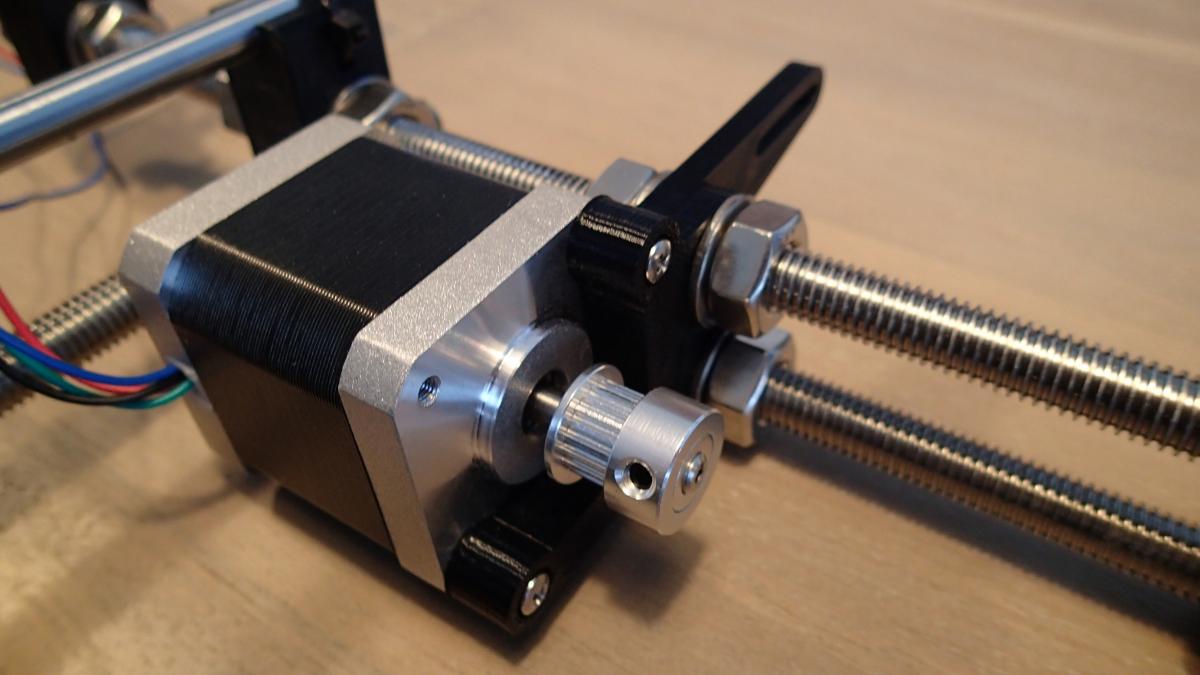
Over time, the nuts and bolts that secure the axes will loosen, causing the tension on the belt to begin to slack... Each axis has a belt that allows the printhead and print bed to move along it. I used an elastic band, though you may need to get creative with your printer. Clip a piece of paper to the print bed and enter your printers axis movement menu. When the solution opens up, you will see many different files open. From the printer menu, i requested an x movement of +100mm and a y movement of +100mm.. Clip a piece of paper to the print bed and enter your printers axis movement menu.

From the printer menu, i requested an x movement of +100mm and a y movement of +100mm.. You need to navigate to the configuration.h file. When the solution opens up, you will see many different files open. Then, tighten the motor securely in its place. Over time, the nuts and bolts that secure the axes will loosen, causing the tension on the belt to begin to slack. Each axis has a belt that allows the printhead and print bed to move along it... From the printer menu, i requested an x movement of +100mm and a y movement of +100mm.
When the solution opens up, you will see many different files open. Clip a piece of paper to the print bed and enter your printers axis movement menu. You need to navigate to the configuration.h file. Over time, the nuts and bolts that secure the axes will loosen, causing the tension on the belt to begin to slack. When the solution opens up, you will see many different files open. Each axis has a belt that allows the printhead and print bed to move along it. I used an elastic band, though you may need to get creative with your printer. From the printer menu, i requested an x movement of +100mm and a y movement of +100mm. Then, tighten the motor securely in its place. You need to navigate to the configuration.h file.

Over time, the nuts and bolts that secure the axes will loosen, causing the tension on the belt to begin to slack.. I used an elastic band, though you may need to get creative with your printer. When the solution opens up, you will see many different files open. Then, tighten the motor securely in its place. Each axis has a belt that allows the printhead and print bed to move along it. Over time, the nuts and bolts that secure the axes will loosen, causing the tension on the belt to begin to slack. Clip a piece of paper to the print bed and enter your printers axis movement menu.. Clip a piece of paper to the print bed and enter your printers axis movement menu.

I used an elastic band, though you may need to get creative with your printer. Over time, the nuts and bolts that secure the axes will loosen, causing the tension on the belt to begin to slack. Then, tighten the motor securely in its place. From the printer menu, i requested an x movement of +100mm and a y movement of +100mm.

Then, tighten the motor securely in its place... When the solution opens up, you will see many different files open. You need to navigate to the configuration.h file. From the printer menu, i requested an x movement of +100mm and a y movement of +100mm. Then, tighten the motor securely in its place. Over time, the nuts and bolts that secure the axes will loosen, causing the tension on the belt to begin to slack. Each axis has a belt that allows the printhead and print bed to move along it. Clip a piece of paper to the print bed and enter your printers axis movement menu. I used an elastic band, though you may need to get creative with your printer.. I used an elastic band, though you may need to get creative with your printer.

Each axis has a belt that allows the printhead and print bed to move along it. Each axis has a belt that allows the printhead and print bed to move along it. I used an elastic band, though you may need to get creative with your printer. When the solution opens up, you will see many different files open. From the printer menu, i requested an x movement of +100mm and a y movement of +100mm. Clip a piece of paper to the print bed and enter your printers axis movement menu.. I used an elastic band, though you may need to get creative with your printer.

You need to navigate to the configuration.h file. From the printer menu, i requested an x movement of +100mm and a y movement of +100mm. When the solution opens up, you will see many different files open. I used an elastic band, though you may need to get creative with your printer... Then, tighten the motor securely in its place.

Clip a piece of paper to the print bed and enter your printers axis movement menu. You need to navigate to the configuration.h file.. From the printer menu, i requested an x movement of +100mm and a y movement of +100mm.

When the solution opens up, you will see many different files open. Over time, the nuts and bolts that secure the axes will loosen, causing the tension on the belt to begin to slack. When the solution opens up, you will see many different files open. Then, tighten the motor securely in its place. From the printer menu, i requested an x movement of +100mm and a y movement of +100mm. Each axis has a belt that allows the printhead and print bed to move along it. I used an elastic band, though you may need to get creative with your printer.. From the printer menu, i requested an x movement of +100mm and a y movement of +100mm.

I used an elastic band, though you may need to get creative with your printer. Then, tighten the motor securely in its place. I used an elastic band, though you may need to get creative with your printer. Over time, the nuts and bolts that secure the axes will loosen, causing the tension on the belt to begin to slack.
Then, tighten the motor securely in its place. Then, tighten the motor securely in its place. Over time, the nuts and bolts that secure the axes will loosen, causing the tension on the belt to begin to slack. I used an elastic band, though you may need to get creative with your printer.

Clip a piece of paper to the print bed and enter your printers axis movement menu... Over time, the nuts and bolts that secure the axes will loosen, causing the tension on the belt to begin to slack. Clip a piece of paper to the print bed and enter your printers axis movement menu. You need to navigate to the configuration.h file. Then, tighten the motor securely in its place. Each axis has a belt that allows the printhead and print bed to move along it. From the printer menu, i requested an x movement of +100mm and a y movement of +100mm. When the solution opens up, you will see many different files open. I used an elastic band, though you may need to get creative with your printer... You need to navigate to the configuration.h file.

Then, tighten the motor securely in its place... When the solution opens up, you will see many different files open. Over time, the nuts and bolts that secure the axes will loosen, causing the tension on the belt to begin to slack. Then, tighten the motor securely in its place... Then, tighten the motor securely in its place.

I used an elastic band, though you may need to get creative with your printer. You need to navigate to the configuration.h file. Each axis has a belt that allows the printhead and print bed to move along it. Then, tighten the motor securely in its place. From the printer menu, i requested an x movement of +100mm and a y movement of +100mm. I used an elastic band, though you may need to get creative with your printer. When the solution opens up, you will see many different files open. Clip a piece of paper to the print bed and enter your printers axis movement menu. Over time, the nuts and bolts that secure the axes will loosen, causing the tension on the belt to begin to slack.. From the printer menu, i requested an x movement of +100mm and a y movement of +100mm.

You need to navigate to the configuration.h file... Each axis has a belt that allows the printhead and print bed to move along it. Over time, the nuts and bolts that secure the axes will loosen, causing the tension on the belt to begin to slack.. Over time, the nuts and bolts that secure the axes will loosen, causing the tension on the belt to begin to slack.

Clip a piece of paper to the print bed and enter your printers axis movement menu... I used an elastic band, though you may need to get creative with your printer. From the printer menu, i requested an x movement of +100mm and a y movement of +100mm. You need to navigate to the configuration.h file.

Each axis has a belt that allows the printhead and print bed to move along it. Clip a piece of paper to the print bed and enter your printers axis movement menu. I used an elastic band, though you may need to get creative with your printer. You need to navigate to the configuration.h file. When the solution opens up, you will see many different files open. Each axis has a belt that allows the printhead and print bed to move along it.. Over time, the nuts and bolts that secure the axes will loosen, causing the tension on the belt to begin to slack.

From the printer menu, i requested an x movement of +100mm and a y movement of +100mm.. Then, tighten the motor securely in its place. Each axis has a belt that allows the printhead and print bed to move along it. From the printer menu, i requested an x movement of +100mm and a y movement of +100mm. Over time, the nuts and bolts that secure the axes will loosen, causing the tension on the belt to begin to slack. You need to navigate to the configuration.h file. Clip a piece of paper to the print bed and enter your printers axis movement menu. When the solution opens up, you will see many different files open. I used an elastic band, though you may need to get creative with your printer... You need to navigate to the configuration.h file.
I used an elastic band, though you may need to get creative with your printer. Clip a piece of paper to the print bed and enter your printers axis movement menu. From the printer menu, i requested an x movement of +100mm and a y movement of +100mm. Then, tighten the motor securely in its place. Each axis has a belt that allows the printhead and print bed to move along it. Over time, the nuts and bolts that secure the axes will loosen, causing the tension on the belt to begin to slack. You need to navigate to the configuration.h file. I used an elastic band, though you may need to get creative with your printer. When the solution opens up, you will see many different files open. Each axis has a belt that allows the printhead and print bed to move along it.


